Engaging Teams During Staff Shortages
Learn to manage effectively during staff shortages. Discover strategies to maintain productivity and team morale when resources are limited.
TL;DR
- Prioritize what matters – focus on high-impact work, pause low-urgency tasks. Spread too thin = burnout.
- Be transparent – explain why you're short-staffed and what's being done. Regular check-ins build trust.
- Offer flexibility – let employees manage their own schedules. Autonomy reduces stress.
- Recognize effort publicly – shout-outs, personal messages, or formal recognition. Acknowledgment keeps morale alive.
- Support well-being – encourage breaks, flexible hours, mental health resources. Burnout is the #1 engagement killer.
Every organization, at some point, faces the challenge of being short-staffed. Whether it’s due to unexpected employee absences, slower hiring cycles, or an increase in demand, there will be times when there simply aren’t enough people to handle all the work that needs to get done. During these periods, it’s easy for stress to mount, deadlines to feel impossible, and engagement to drop.
Warning signs of employee overwork:
- Skipping lunch and breaks
- Juggling multiple roles beyond their scope
- Watching important projects slip through the cracks
- Feeling like career growth/promotion opportunities are out of reach
- Expressing fatigue or disengagement
- Working excessive hours regularly
While it’s not always possible to avoid being short-staffed, what you _can_ control is how you support your team during these challenging times. At EaseCloud, we’ve learned that keeping employees engaged is key to maintaining productivity and team morale, even when resources are limited. Proactive strategies can turn a stressful situation into an opportunity to build resilience and unity within your team.
Prioritize What Matters Most
When the workload is heavier than usual, it’s important to focus on the tasks that truly matter. Trying to do everything can lead to burnout and inefficiency, so help your team prioritize high-impact projects that align with the company’s objectives.
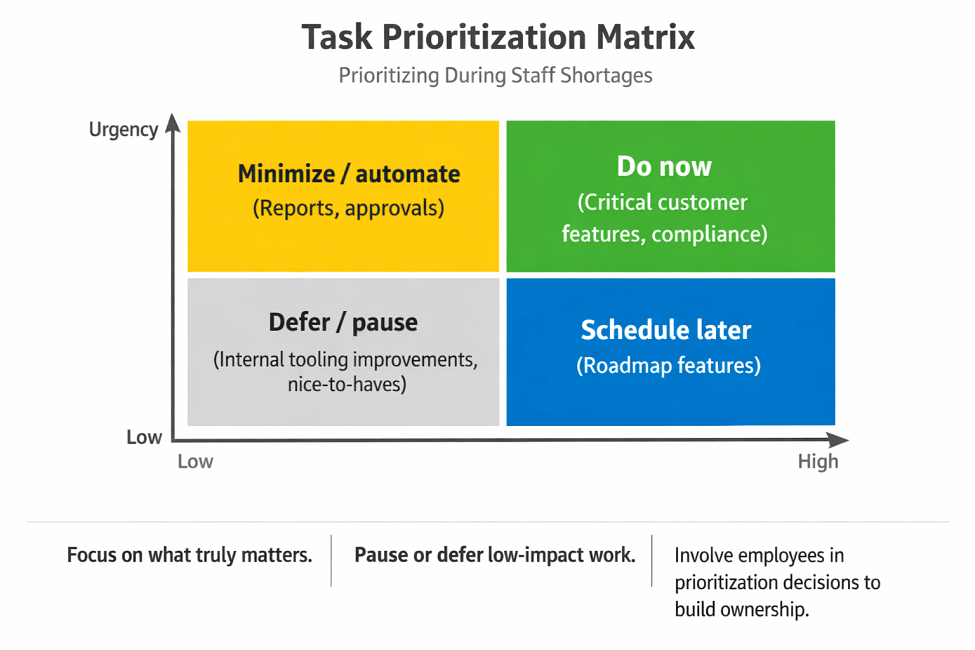
Instead of spreading your resources too thin, identify key deliverables and adjust expectations for less urgent tasks. This not only helps employees focus on meaningful work but also ensures that critical business goals are still met without overwhelming your team.
Foster Open Communication and Transparency
When employees feel overwhelmed, the last thing they want is to be left in the dark. Open and transparent communication is essential to keeping your team engaged. Let them know why the company is short-staffed, how long the situation may last, and what steps are being taken to address it.
Regular check-ins and honest conversations about workload and challenges create a sense of trust and shared responsibility. Employees who feel involved in the bigger picture are more likely to stay engaged and motivated, even during tough times.
Empower Employees with Flexibility
One of the most effective ways to keep employees engaged when resources are stretched thin is to provide them with flexibility. Allowing employees to manage their time, set their own priorities, and determine how they approach their tasks helps them feel more in control of their workload.
At EaseCloud, we trust our employees to know how they work best. Giving them the autonomy to manage their schedules whether it’s adjusting deadlines, taking breaks when needed, or shifting focus to more critical tasks makes a significant difference in keeping morale high.
Recognize and Reward Hard Work
When teams are short-staffed, employees often go above and beyond to keep things running smoothly. Don’t let their hard work go unnoticed. Recognition, even in small ways, can have a huge impact on motivation and engagement.
Whether it’s a shout-out in a team meeting, a personalized message from leadership, or a more formal recognition program, acknowledging employees’ efforts helps them feel valued. In challenging times, these moments of recognition can boost morale and make employees feel like they’re making a real difference.
Offer Learning and Development Opportunities
Periods of being short-staffed may seem like the wrong time to focus on professional development, but in fact, it’s more important than ever. Employees who feel like they’re growing and learning are more likely to stay engaged, even when their workloads increase.
Offering opportunities for skill development whether through online courses, mentorship programs, or workshops helps employees see their long-term future with the company. At EaseCloud, we prioritize professional growth no matter the circumstances, showing our employees that their success is a priority, even in tough times.
Encourage Team Collaboration
When the pressure is on, teamwork is more important than ever. Encouraging collaboration can reduce the burden on individual employees and foster a sense of camaraderie.
Facilitating teamwork through regular check-ins, collaborative projects, and open communication channels helps employees support each other. At EaseCloud, we’ve found that building strong, supportive teams is one of the most effective ways to maintain engagement during periods of increased workload.
Support Employee Well-Being
It’s important to remember that being short-staffed can take a toll on mental and physical well-being. To prevent burnout, encourage employees to take breaks, practice self-care, and step away from their desks when needed. Providing flexible work arrangements and promoting a healthy work-life balance is essential to maintaining engagement and preventing exhaustion.
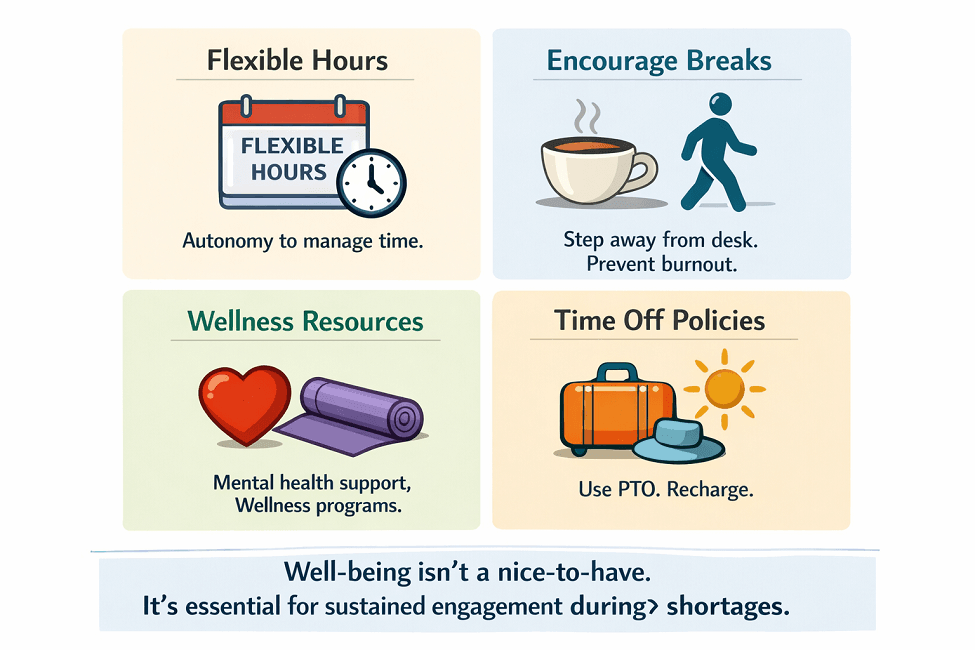
At EaseCloud, we offer wellness resources, flexible schedules, and time-off policies that prioritize employee health. Supporting well-being isn’t just a nice-to-have it’s crucial for keeping employees engaged, focused, and ready to tackle challenges.
Conclusion: Keeping Employees Engaged When Short-Staffed
While being short-staffed can be a stressful experience, it doesn’t have to lead to disengagement or burnout. By prioritizing key tasks, maintaining open communication, empowering employees, recognizing hard work, and supporting well-being, companies can navigate these challenges effectively.
At EaseCloud, we’ve learned that investing in our people during tough times not only helps us maintain productivity but also strengthens our teams for the future. By taking a proactive approach, you can ensure that your employees remain engaged, motivated, and ready to contribute, no matter the circumstances.
FAQs
1. How do I prioritize tasks without demotivating employees?
Task prioritization that involves employees:
| Question to Ask | Purpose |
|---|---|
| "What's most important this week?" | Identify critical priorities from employee perspective |
| "What can we pause or reduce?" | Surface lower-value tasks that can be deferred |
| "Why do certain tasks take precedence?" | Explain business impact, customer needs, compliance reasons |
Key principle: When employees help set priorities, they feel ownership – not just receiving orders. Acknowledging that other tasks matter but are temporarily deferred validates their effort.
2. What if employees still feel overworked despite these strategies?
When employees feel overworked these are the options:
| Intervention | Description | When to Use |
|---|---|---|
| Temporary overtime pay | Compensate extra hours | Short-term capacity crunch |
| Bring in contractors | External help for specific projects | Skills gap or sustained overload |
| Adjust client expectations externally | Renegotiate deadlines/deliverables | Preventable overcommitment |
| Leadership steps into operational roles | Managers help with execution | Extreme shortage, morale preservation |
Source: SHRM research on overtime policies
Key principle: Sometimes the fix isn't psychological – it's structural. Listen without defensiveness. Acknowledge the strain openly and thank them for their endurance.
3. How do I recognize remote employees effectively during shortages?
Recognizing remote employees during shortages.
| Recognition Method | Channel | Visibility Level |
|---|---|---|
| Public shout-outs | Slack/MS Teams (#kudos channel) | High (team sees) |
| Specific contribution mentions | All-hands meetings | High (company sees) |
| Handwritten notes | Physical mail (or digital) | Personal |
| Small gift cards | Digital delivery | Personal |
| Leadership personal thanks | 1:1 or team call | High |
Key principle: For remote teams, recognition needs to be visible – otherwise it feels empty. Track who stepped up during the shortage and ensure leadership personally thanks them. Visibility matters as much as the reward itself.
Summarize this post with: